Summary
| Question | Answer |
|---|---|
| What is an AI tool for teaching English online? | Software using AI to help ESL tutors plan lessons, create materials, check homework, or give language feedback |
| What are the main types? | Lesson planning AI, vocabulary practice systems, automatic homework checking, interactive study material generators, writing/speaking feedback tools |
| When in the workflow does AI help most? | Before the lesson (planning, materials) and after it (homework checking) — not primarily during the live session |
| What does Class Spot provide for AI-enhanced ESL? | Flash Cards (vocabulary practice), Study Guides (interactive materials), automatic homework checking, and an interactive whiteboard where AI-generated content is delivered in a live lesson |
| Is this available on a free plan? | All four features are included on the Class Spot MAX with no lesson limit |
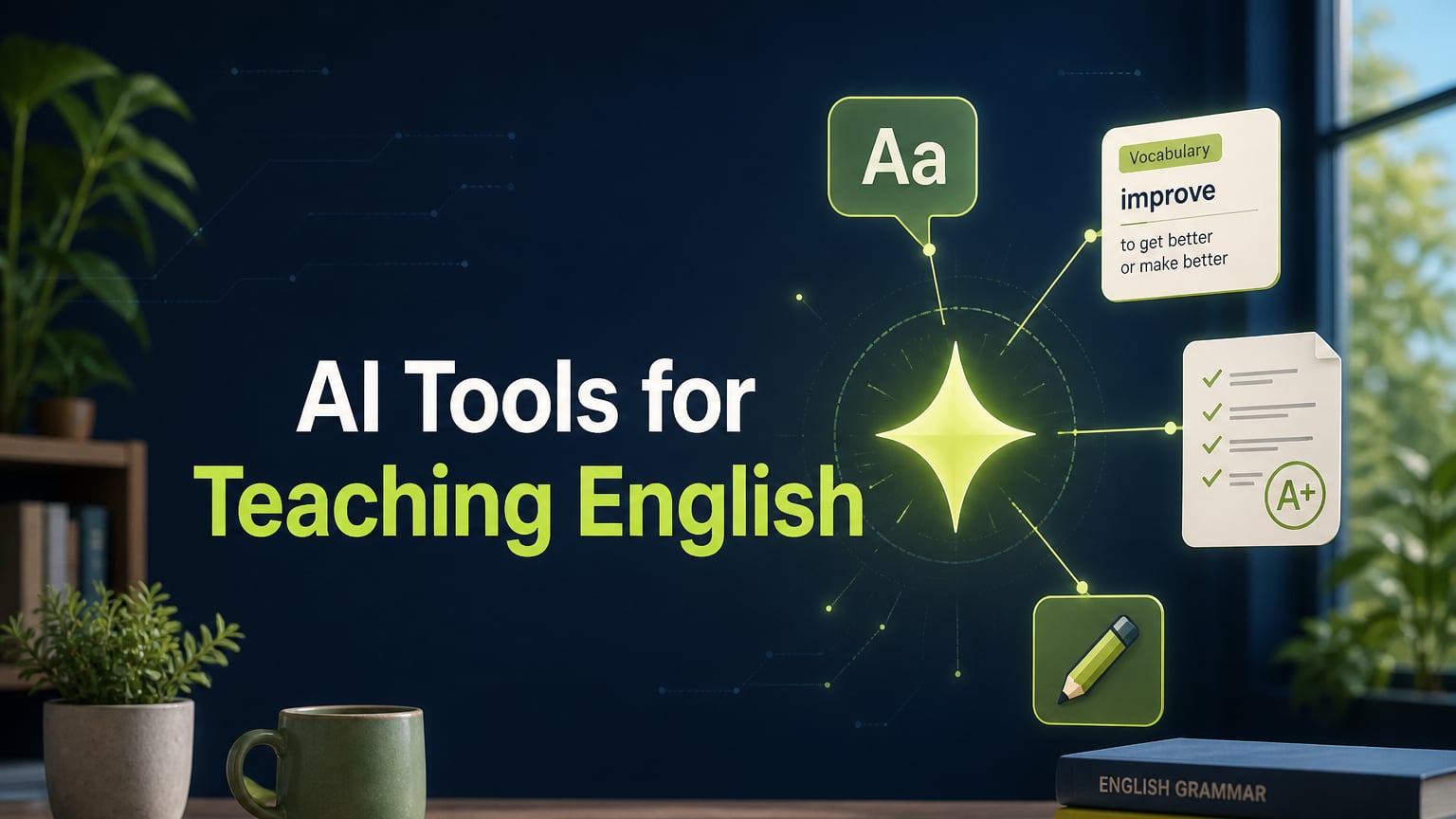
An AI tool for online English teaching uses artificial intelligence to help ESL tutors plan lessons, create teaching materials, check students' work, or give language feedback. This saves tutors time that would otherwise be spent on manual preparation and correction.
Among teaching fields, ESL tutoring was quick to adopt AI tools. This happened for practical reasons: preparing exercises, creating reading materials, making vocabulary lists, and checking homework all take a lot of time, and AI handles these tasks efficiently. By 2026, most online English tutors had already chosen whether to use AI, with the main challenge being how to fit it into an already busy lesson workflow.
What kinds of AI tools do ESL tutors use?
Online English tutors use AI tools mainly for five tasks: planning lessons, helping with vocabulary practice, checking homework, creating interactive content, and giving feedback on speaking or writing.
1. The use of AI in creating lesson plans and teaching materials
AI language models (such as ChatGPT or Claude) generate lesson-ready content on demand:
- Grammar explanation texts at a specific CEFR level (A2, B1, B2, C1)
- Dialogue scripts for role-play exercises
- Reading comprehension passages on any topic
- Gapped sentence exercises from existing texts
- IELTS Task 1 and Task 2 prompts with model answers
A lesson plan that once took 45 minutes to create from scratch can now be made in just 5 minutes with AI, and then improved in another 10 minutes. This shifts the tutor's role from making content to curating and adapting it, which is a better use of their time.
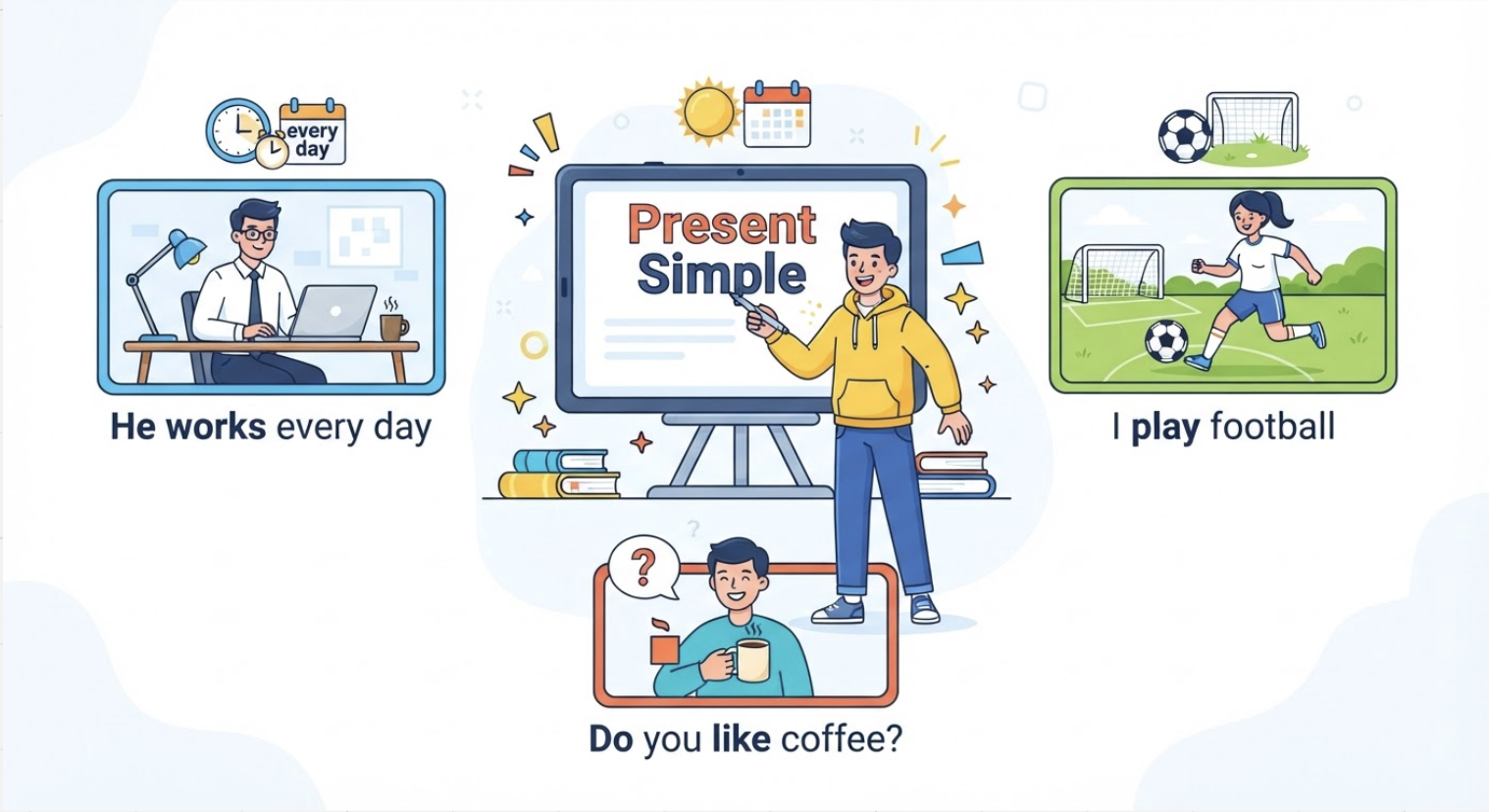
For example, Class Spot AI can generate creative images like that, taking into consideration your request and topic.
2. The use of AI for practicing vocabulary
One of the most time-saving uses of AI in ESL teaching is helping students remember vocabulary. The AI creates the word list, and the classroom platform presents it as structured exercises.
Spaced repetition and flashcard programs use algorithms to decide when students should review vocabulary, based on how people remember new words. This means ESL students can review vocabulary automatically between lessons, so tutors do not need to send review materials or track what has been covered.
The tutor chooses and curates the vocabulary list, while the AI-assisted practice system handles scheduling repetition and delivery.
3. The use of AI for automatically checking homework
Reading, grading, and responding to written exercises between lessons is one of the most time-consuming tasks for online English tutors. AI can handle this automatically, saving tutors a lot of time.
When AI checks homework by finding correct and incorrect answers, tracking common mistakes, and highlighting items for the tutor, ESL tutors save about 30 to 60 minutes each week, depending on their number of students. Students also get feedback faster, which makes homework more valuable for learning.
4. The use of AI for interactive study materials
AI tools can create basic interactive study materials like quizzes, comprehension questions, vocabulary matching, and reading exercises. Tutors then use these as organized activities in their lessons.
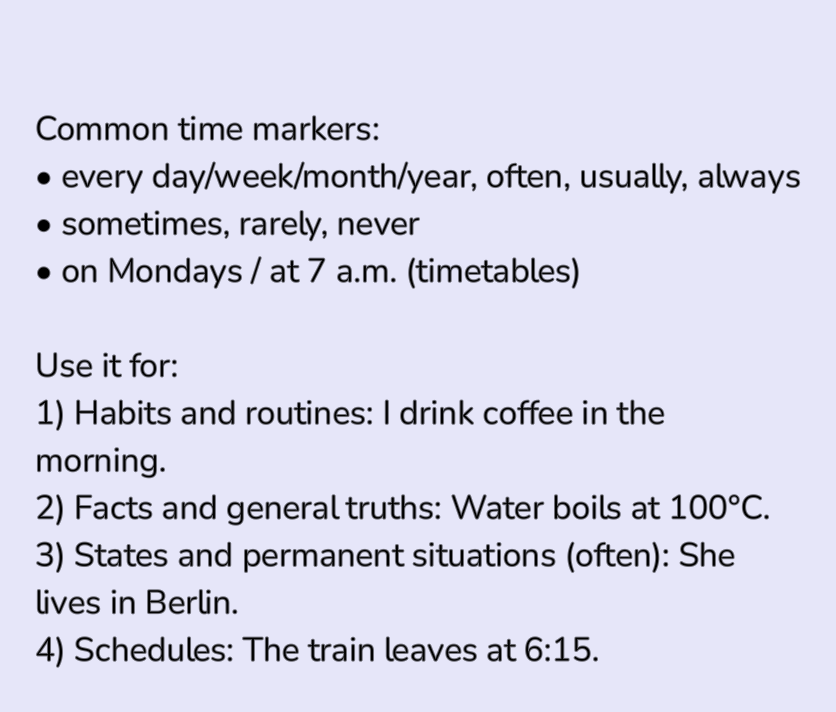
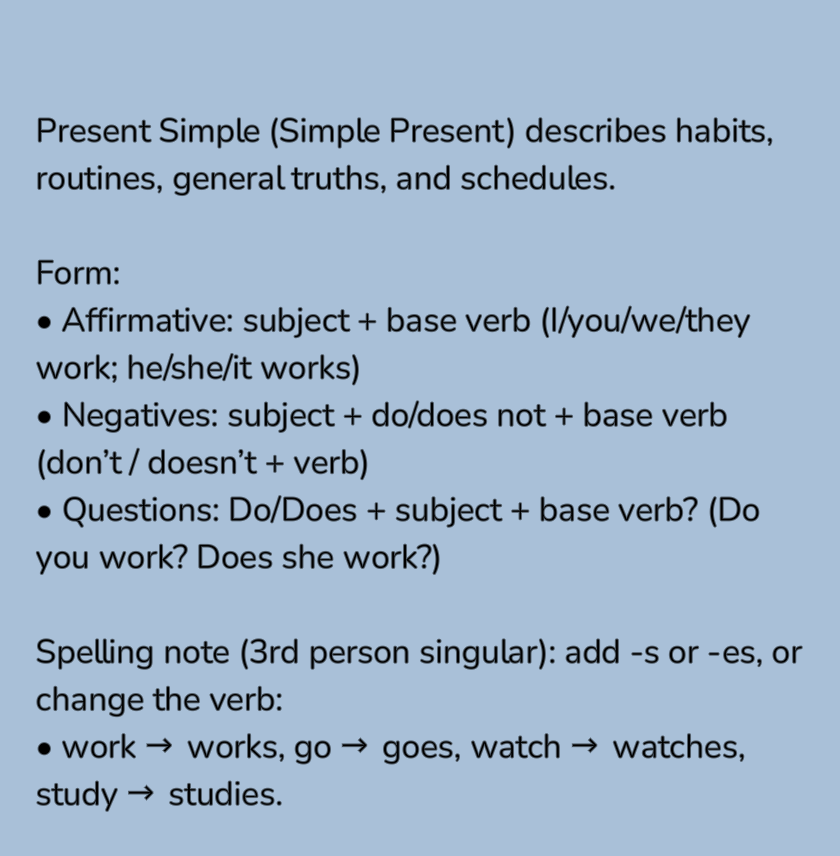
A good ESL study guide might include a short passage, five comprehension questions, a vocabulary matching section, and a grammar exercise. AI can create this material in minutes. The tutor then checks it for accuracy, level, and relevance before using it as an interactive lesson instead of just a worksheet.
Here is the brief example of what Class Spot AI can assist you with from scratch:
5. The use of AI to provide feedback on speaking and writing
AI grammar checkers and writing tools give ESL students instant, specific feedback on their writing. They can spot individual mistakes and also notice patterns of errors over time.
AI feedback on writing between lessons supports, but does not replace, the tutor's feedback during class. Students who use AI to check their writing before the lesson are better prepared to discuss their mistakes, making the lesson more productive.
How AI Tools Save Time for Online English Teachers
AI tools reduce the time that ESL tutors spend in three different stages of the teaching workflow.
| Phase | Where AI saves time |
|---|---|
| Before the lesson | Lesson planning, exercise creation, reading text generation, IELTS prompt writing |
| After the lesson | Homework checking, error pattern identification, progress note drafting |
| Between lessons | Vocabulary review delivery (flashcard systems), student self-study materials |
The live lesson, which usually lasts sixty minutes, is where AI tools have the least direct impact. Their main role is to speed up preparation, so tutors can come to each lesson with better materials and a clearer understanding of the student's current mistakes, without spending extra time preparing.
How can AI help?
An effective AI-using ESL tutor uses it to prepare materials, imports them into the lesson environment, and then comes to teach rather than set things up. Before the lesson, the tutor employed an AI writing tool to produce a reading passage at B2 level on the subject which the student found interesting, prepared a vocabulary list based on that passage, and then drafted five comprehension questions. These materials have been uploaded to the lesson boards. During the lesson, the student reads the text on the shared board, the tutor notes key vocabulary, they discuss the comprehension questions, and the student then completes a vocabulary gap-fill exercise by writing on the board. The system indicates the student's uncertainty but does so without breaking the flow.
After the lesson, the tutor gives the student a short writing assignment as homework. The system automatically checks the work during the night and, by the time of the next session, the tutor knows which grammatical structures the student has got wrong.
In this approach, engaging ESL students during the lesson is possible because the AI preparation is already done. This allows the lesson to focus fully on interaction instead of managing content logistics.
How Class Spot Supports AI-Enhanced English Teaching
Class Spot is the classroom environment in which AI-generated ESL material is delivered, practiced, and tracked all within a single tab.
Class Spot offers four features that support AI-enhanced ESL Flash Cards, giving students vocabulary practice between lessons. Tutors can create flash cards from lesson vocabulary or use an AI-generated word list. Students then review these cards in their personal account between sessions, so vocabulary from Tuesday's lesson is practiced and remembered by Thursday.
Study Guides in Class Spot are interactive lesson materials that include texts, tasks, images, videos, and quizzes in one organized document. When a Study Guide uses AI-generated content like reading passages, comprehension questions, and vocabulary exercises, it becomes a live, editable lesson resource that tutor and student can work through together on the board, instead of just being a static PDF.
With an automatic homework-checking system, tutors no longer need to grade assignments by hand after lessons. The system checks the homework students submit, saving busy tutors 30 to 60 minutes each week and giving students faster feedback than manual grading allows.
The interactive whiteboard supports AI-generated materials as part of the lesson. PDFs, images, audio files and documents can be uploaded directly to the board. Instead of a document the student reads in a separate window, AI-generated content such as a reading text, a dialogue script, or a grammar exercise becomes a live surface that can be annotated.
The free plan includes all four features and the student can view their schedule, tasks, and materials through their personal account without the tutor having to send each item manually through WhatsApp or email.
The virtual classroom, which has been constructed for tutors, is based on the entire workflow of a live ESL lesson, taking it from the preparation of pre-lesson materials through to the tracking of post-lesson homework.
Start teaching English with AI tools for free, no credit card required
Frequently Asked Questions
What counts as an AI tool for teaching English online?
An AI tool for teaching English online is any software that uses artificial intelligence to help ESL tutors by producing lesson materials, automatically checking homework, scheduling vocabulary reviews, or giving students feedback on their writing and grammar.
What AI tools do ESL teachers make use of?
They use five main types: AI language models for planning lessons and creating content, spaced repetition systems for practising vocabulary, automatic homework-checking tools, interactive study material generators, and AI writing or pronunciation feedback tools.
How does AI help online English tutors to save time?
It mainly does so before and after lessons by producing exercises and reading texts in advance (replacing 30 to 45 minutes of manual preparation) and by automatically checking students' homework afterwards (saving 30 to 60 minutes each week). During the live lesson itself, the AI plays an indirect role, since the tutor uses AI-prepared materials rather than giving AI-generated answers in real time.
Has Class Spot used AI in teaching English?
The system features automatic homework checking, allowing it to verify student submissions without a tutor having to do so manually. It also offers Flash Cards for drilling vocabulary between lessons, Study Guides, which provide interactive content generated by AI, and a whiteboard on which any material produced by AI—such as texts, exercises, or audio—can be uploaded and then used directly in the lesson.
What is the best AI tool for online English tutoring?
The most effective setup combines an AI content-generation tool (such as ChatGPT or Claude) for lesson planning and material creation with a classroom platform that delivers that content interactively in a live lesson. Class Spot provides the classroom layer: interactive whiteboard, Flash Cards, Study Guides, automatic homework checking, and student progress tracking, all in a single browser tab, free to start.